
Roof Drying Out? Key Signs Calgary Homeowners Should Watch For
Dry, brittle asphalt shingles are often the early warning sign before cracking, curling, granule loss, leaks, and expensive replacement quotes.
Calgary roofs take a beating from sun, hail, snow, wind, and freeze-thaw cycles. The good news is that an aging roof does not always mean a failing roof. If you catch the signs early, roof rejuvenation may help restore flexibility and delay replacement.
Your Roof May Be Aging Before It Looks “Damaged”
Most homeowners only think about their roof when shingles are missing, water is leaking, or a contractor says it is time to replace everything. But asphalt shingles usually start showing smaller warning signs first. They dry out, lose flexibility, shed protective granules, fade from UV exposure, and become more vulnerable to cracking.
That drying process matters because shingles need flexibility to handle daily temperature swings, wind, rain, snow, and movement in the roof system. Once they become brittle, they are more likely to crack, lift, curl, or break apart during Calgary’s rougher weather.
The goal is not to panic every time your roof looks older. The goal is to understand the difference between normal aging, early dryness, and actual roof failure. If your shingles are still intact and your roof is not leaking, you may have options before committing to a full replacement.
A dry roof can also be easy to miss from the street. Many roofs do not fail all at once. They slowly move from flexible and protective to stiff, faded, and vulnerable. By the time shingles are curling badly or letting water underneath, the repair options may be more limited.
Three Early Signs Your Asphalt Shingles Are Drying Out
A roof does not have to be leaking to need attention. These are the signs Calgary homeowners should watch for before aging shingles turn into a major replacement project.
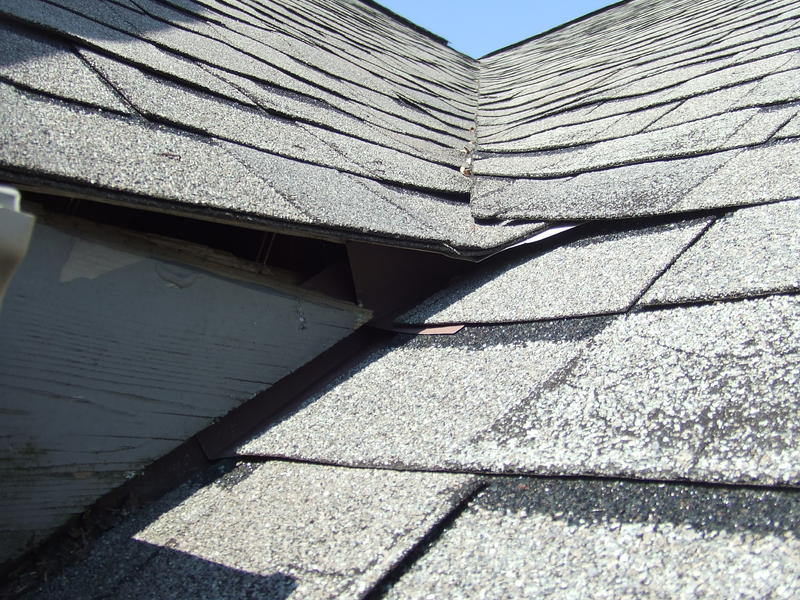
Brittle Shingles
Brittle shingles are one of the clearest signs that the asphalt is losing flexibility. When shingles dry out, they become harder and more fragile. That makes them more likely to crack during hail, high wind, cold snaps, or routine movement in the roof system. If a shingle feels stiff, snaps easily, or looks fractured, it may be past the point of normal cosmetic aging.
Curling Or Lifting Edges
Curling shingles start to lift at the corners or edges. This can happen as shingles age, dry out, or get stressed by repeated weather exposure. Curling is important because it can let wind-driven rain, snow, and debris get underneath the shingle layer. Once shingles stop lying flat, your roof has a harder time shedding water properly.
Granule Loss
Granules protect asphalt shingles from sun, weather, and impact. When shingles dry out and wear down, those granules can loosen and wash into gutters, downspouts, or onto the ground. Some granule loss is normal over time, but heavy or uneven loss can expose the asphalt underneath and speed up roof deterioration.
Why Calgary Weather Speeds Up Roof Aging
Calgary is hard on asphalt shingles because the weather is not just cold or hot. It is changeable. Roofs can experience intense sun, dry air, sudden storms, hail, snow, wind, and repeated freeze-thaw cycles throughout the year. That constant movement stresses shingles and exposes weak spots faster than many homeowners expect.
UV exposure is one of the major contributors to drying. Sunlight can cause shingles to fade, lose surface oils, and become more brittle over time. You may see this most clearly on south-facing slopes or roof sections with little shade. If one part of the roof looks much lighter or more worn than the rest, that can be a clue that sun exposure is accelerating aging.
Freeze-thaw cycles create a different kind of stress. Moisture can enter tiny gaps, freeze, expand, and then thaw again. Over time, this movement can make small cracks worse and help lift already-weakened shingle edges. Add wind and hail to the mix, and a dry shingle has much less ability to absorb impact or recover from stress.
UV Damage
Look for faded, grey, or patchy shingles. Strong sun can dry asphalt and make shingles more brittle over time.
Freeze-Thaw Stress
Temperature swings can expand and contract roofing materials, making cracks and splits more likely.
Hail Impact
After a hailstorm, watch for bruised shingles, fresh granule piles, dents, or areas that suddenly look worn.
How To Check Your Roof Without Climbing On It
You do not need to walk on your roof to spot many early warning signs. In fact, most homeowners are better off checking from the ground with binoculars, looking from an upstairs window, or taking photos from a safe distance.
Start by looking for uneven colour, lifted edges, missing shingles, exposed dark patches, or areas that look much more worn than the rest of the roof. Then check your gutters and downspout exits for heavy granule buildup, especially after storms.
You can also compare different slopes of the same roof. If one side looks much older, lighter, or more brittle than another, it may be getting more sun, wind, or weather exposure. That does not automatically mean the roof has failed, but it does mean the roof deserves a closer look.
Inside the home, watch for ceiling stains, attic moisture, musty smells, or signs of water intrusion after heavy rain or melting snow. Exterior aging is one thing. Interior water evidence is more serious and should be investigated quickly.

Roof Rejuvenation Helps Restore Aging Asphalt Shingles
If your shingles are drying out but still intact, roof rejuvenation may be a smarter next step than immediate replacement. Bright Green Roof uses a plant-based treatment designed to help restore flexibility to aging asphalt shingles, helping them resist cracking, curling, and further deterioration.
This is not a patch for a leaking roof, and it is not a shortcut for shingles that are already destroyed. It is a preservation option for roofs that are aging but still have useful life left.
For Calgary homeowners, this distinction matters. A roof can look tired without being structurally finished. If the shingles are still lying flat, the roof is not actively leaking, and there is no major storm damage, treatment may help delay replacement and keep more shingles out of the landfill.
- ✓ Helps restore flexibility to dry asphalt shingles.
- ✓ May delay the need for full roof replacement.
- ✓ Plant-based and designed for homeowner peace of mind.
- ✓ Helps reduce premature shingle waste going to landfill.
- ✓ Best for asphalt roofs with no active leaks or severe shingle failure.
When Roof Replacement Is The Better Choice
Roof rejuvenation is not meant to force preservation onto every roof. Some roofs should be replaced. If the roof is actively leaking, if large areas of shingles are missing, if the decking is soft or rotted, or if severe curling has already compromised the roof surface, replacement may be the safer decision.
Major hail damage can also change the answer. A few marks or cosmetic wear are different from widespread impact damage, exposed matting, fractured shingles, or compromised flashing. After a serious storm, the roof should be inspected before deciding whether treatment, repair, insurance work, or replacement makes sense.
The most important thing is to avoid guessing. Replacing too early can waste thousands of dollars, but waiting too long can create water damage and emergency repair costs. A roof health assessment helps you understand whether your roof is aging, repairable, treatable, or ready for replacement.
Get A Roof Health Check Before You Replace
If your roof looks dry, faded, or worn, the next step is not automatically a replacement quote. A proper roof health assessment can help determine whether your shingles are still good candidates for rejuvenation or whether replacement is truly the safer option.
This matters because replacing too early can cost thousands more than necessary. But waiting too long can also lead to leaks, water damage, and emergency repairs. The right decision starts with knowing which condition your roof is actually in.
A local provider can review roof age, shingle condition, visible damage, roof slope, exposure, and any signs of active failure. From there, you can compare preservation against replacement with a clearer understanding of cost, timing, and risk.
See If Your Roof Qualifies-
1
Check The Roof Condition
Look for brittleness, curling, granule loss, fading, and visible damage from the ground.
-
2
Confirm Whether It Is Still Intact
Rejuvenation is best for aging asphalt shingles that are still lying flat and not actively leaking.
-
3
Compare Preservation vs Replacement
If your roof qualifies, rejuvenation may help extend roof life and delay a major replacement bill.
Roof Drying Out FAQ
These are the questions Calgary homeowners usually ask when they notice brittle shingles, curling edges, fading, or granule loss.
Find A ProviderHow do I know if my shingles are brittle?
Brittle shingles often look dry, faded, cracked, or stiff. If shingles break easily, shed granules heavily, or no longer appear flexible, they may be drying out. Avoid pulling or bending shingles yourself if the roof is steep, high, wet, or unsafe to access.
What causes asphalt shingles to dry out?
Asphalt shingles dry out over time as they lose oils and are exposed to sun, heat, wind, snow, hail, and freeze-thaw cycles. Poor attic ventilation can also speed up aging by trapping heat and moisture under the roof system.
Are curling shingles always a replacement sign?
Not always, but curling should be taken seriously. Mild early lifting may mean the roof is aging and needs assessment. Severe curling, missing shingles, exposed decking, or active leaks may mean the roof is too far gone for rejuvenation and needs repair or replacement.
What does granule loss mean?
Granules protect asphalt shingles from sunlight, weather, and impact. Heavy granule loss can expose the asphalt underneath, making shingles age faster and leaving the roof more vulnerable to UV damage and cracking. If you see sudden granule buildup after a storm, it is worth having the roof checked.
Can roof rejuvenation fix a leaking roof?
No. Roof rejuvenation is not a leak repair service. Active leaks, water stains, soft decking, missing shingles, or major storm damage should be inspected and repaired first. Rejuvenation is best for aging asphalt shingles that are still intact.
Is plant-based roof treatment safe for my family and pets?
Bright Green Roof’s plant-based treatment is designed as a homeowner-friendly alternative to premature replacement. It is positioned around roof preservation, reduced waste, and peace of mind for families, pets, gardens, and landscaping.
How long can roof rejuvenation extend roof life?
If the roof qualifies, rejuvenation may help extend the useful life of aging asphalt shingles by restoring flexibility and slowing further deterioration. The exact result depends on the age, condition, exposure, and overall health of the roof.
When is replacement the better choice?
Replacement may be the better choice if the roof has active leaks, severe curling, missing shingles, exposed decking, major hail damage, soft or rotted wood, or repeated repair issues. A roof health assessment can help confirm which option makes sense.
Dry Shingles Do Not Always Mean You Need A New Roof
If your Calgary roof is aging but still intact, roof rejuvenation may help restore flexibility, extend roof life, and delay the cost of full replacement. Get a local opinion before spending thousands on a new roof.